


A gift card can say thank you, but it rarely explains what you valued about an employee’s work. Strong employee recognition program ideas pair a timely, specific message with a reward that fits the achievement and the person receiving it.
For HR teams ordering gifts or awards for a group, the challenge is keeping recognition personal without rebuilding the process for every milestone. Start by deciding which moments deserve a lasting item and which deserve a thoughtful note, time, or opportunity.
- Use everyday appreciation for recent contributions; reserve keepsakes for achievements employees will want to remember.
- Before ordering group gifts, check recipient preferences, personalization details, budget, and delivery dates.
Key Takeaways for Employee Recognition Programs
A workable employee recognition program gives managers clear choices while leaving room for individual preferences. It distinguishes formal recognition from routine thanks instead of relying on gift cards for every moment.
- Match the moment first. A project thank-you calls for a different response than a retirement or years-of-service award.
- Name the actual contribution. An employee’s name alone won’t make a standard gift feel personal.
- Offer more than objects. Development time, flexibility, and direct thanks can matter as much as a keepsake.
- Give peers a voice. Colleagues often see contributions that managers miss, especially across remote teams.
- Standardize the ordering process. Approved products and a clear recipient list make repeat awards easier to manage.
- Compare the complete cost. Personalization, packaging, and shipping can change the total beyond the item price.
A strong starting point is one simple routine for frequent appreciation and one planned approach for major milestones.
Why Recognition Needs More Than a Reward
Recognition works best when employees understand why it happened. A named award for leading a difficult project has meaning because it records the contribution. The same award with only a company logo can feel like event merchandise.
The business case deserves care, too. Gallup’s research on recognition and retention found that employees who receive high-quality recognition are less likely to leave. High-quality recognition can influence employee engagement and the broader employee experience. That doesn’t mean a gift alone guarantees employee retention or prevents turnover. Fair treatment, good management, and the work itself still matter.
Give recognition close to the achievement. Save the lasting object for a moment worth remembering.

Employee Recognition Ideas for Everyday Work
A program shouldn’t make employees wait for an annual ceremony to hear that their work mattered. Frequent, low-cost informal recognition can sit alongside formal awards. Gifts, professional development, performance bonuses, or paid time off can also mark meaningful contributions.
Make Manager Thanks Specific
Managers can recognize a contribution in a team meeting, a private note, or a short conversation. The useful detail is what the employee did: trained a new colleague, solved a customer problem, or kept a project moving.
Ask employees whether they prefer public praise. A team-wide announcement can delight one person and embarrass another. Deliver the message while the work is still fresh; timely informal recognition can support employee morale.
Let Colleagues Recognize Each Other
Peer-to-peer recognition gives visibility to work that happens outside a manager’s view. A shared Slack channel or another existing team space can support team building for a small group. Set a simple rule: name the contribution and its effect, rather than posting a generic compliment.
For distributed teams, allow asynchronous nominations and make remote employees eligible for the same awards. Don’t make attendance at an office event the only route to being noticed.

Choose a Tangible Gift for the Right Milestone
Physical gifts earn their place when they suit the recipient’s work and the occasion. Recognition awards make more sense for formal recognition when an achievement deserves a permanent record.
This comparison can help narrow a group order before you request product options.
| Recognition moment | Product to consider | Detail that makes it personal |
|---|---|---|
| Team achievement | Tumbler or desk accessory | Recipient’s name and team milestone |
| Training completion | Pen or portfolio | Program name and completion date |
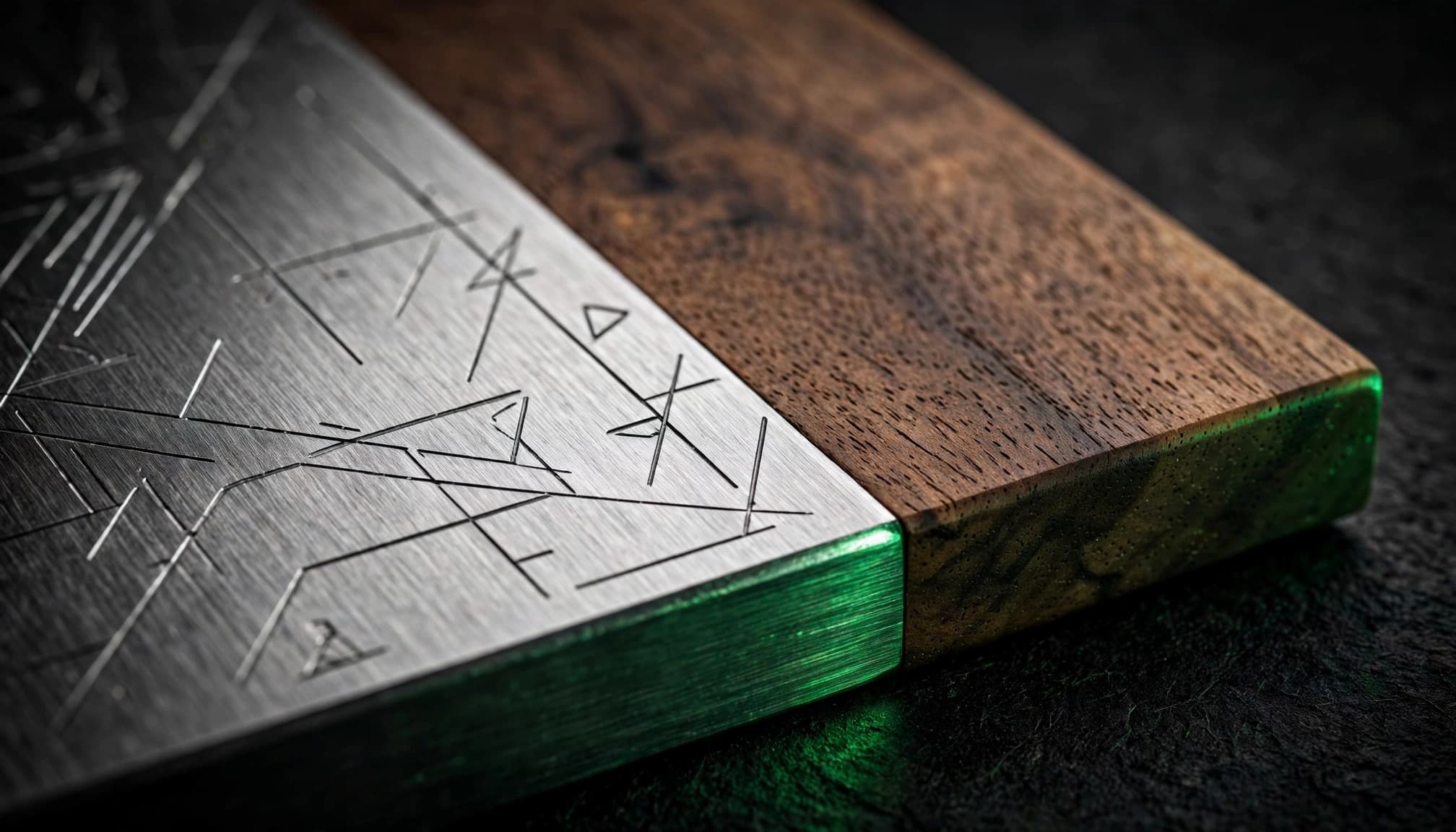
| Work anniversaries | Wood, glass, or metal award | Name, service years, and contribution |
| Leadership or retirement | Display award or keepsake set | Specific achievement and a short message |
Choose Useful Gifts for Broad Groups
Drinkware and desk items are practical when recipients have different roles. For employee appreciation day or a larger event, bulk engraved employee gifts offer coordinated products that feel more personal than generic company swag, with individual names available. That page describes its bulk gift orders as batches of twelve or more, so check the available options for a smaller group.
Barware or flasks may suit some teams, but they’re less universal. Ask whether the product fits workplace policies and the people receiving it.
Reserve Display Awards for Major Achievements
A service anniversary, promotion, or sales milestone can justify an award that stays on a desk or shelf. For achievement-based programs, sales and performance recognition awards provide a starting point for comparing formats.
Keep the wording short enough to read. The employee’s name, the achievement, and the date usually matter more than a large logo.

Make Recognition Fair Across Roles and Locations
A program can unintentionally favor people whose work is visible to senior leaders. Clear criteria and a choice of presentation style help more employees take part.
Set Criteria Before Choosing Recipients
Define which moments qualify for formal recognition, such as a service anniversary, completed training, outstanding teamwork, leadership, or performance tied to company values. Tell managers how to nominate people and who approves awards. Consistent standards help reinforce company culture.
Compare who receives recognition across departments, shifts, and locations, including peer-to-peer recognition. If one team rarely appears, review the nomination process before assuming its contributions differ. A repeatable employee recognition program can set gift levels and approval steps while preserving individual names and messages.
Give Employees a Choice of Format
An employee may prefer informal recognition, such as a private note, or a learning opportunity or time off over a public presentation. Another may treasure a named keepsake. Ask about preferences instead of assigning everyone the same experience.
For remote workers, plan delivery alongside the announcement so they can share the moment. A gift arriving weeks after a celebration loses some of its connection to the moment.
Understand the Cost Before You Order
For human resources teams managing group orders, a per-item price isn’t the full recognition budget. Build separate allowances for everyday appreciation and formal awards, then compare quotes using the same quantities and requirements.
Compare Full Order Costs
The product material, quantity, individual names, artwork preparation, packaging, and delivery locations can affect the total. A glass award and a stainless tumbler won’t have the same material or shipping considerations.
Ask whether a quote includes proofing, gift boxes, and freight. For employees in several locations, request shipping as a separate line so you can compare it with distributing gifts through one office.
Spend More Where It Shows
A small team shouldn’t feel pressured to buy an expensive object for every thank-you. Save higher-cost awards for substantial milestones, and put care into routine appreciation messages. Compare award spending with professional development or performance bonuses, based on employee needs.
Likewise, avoid paying for a product employees won’t use. A portfolio may fit a leadership cohort, while practical drinkware may suit a mixed group better. If needs vary, ask about an approved choice of two products rather than assuming one fits all.
Order Personalized Awards Without Last-Minute Errors
Group recognition works best when one person owns the recipient list, artwork, approvals, and delivery details. The more names and locations involved, the more important that handoff becomes.
Prepare the Details Before Requesting a Quote
For recognition awards, provide the quantity, occasion, target delivery date, product preferences, logo file, and names exactly as they should appear. Include service years, award titles, or messages only where needed.
Ask which details can vary across the order and whether they’ll fit in the chosen engraving area. Small pens and textured surfaces may need simpler artwork than a broad award face.
Review a Proof at Finished Size
A proof helps you catch spelling errors, placement issues, and text that’s too small. Check names against your source list, confirm the logo version, and ask how the mark will look on the chosen material.
For a large order, ask whether a sample of the selected finish is available. Confirm production and shipping dates in writing before announcing a presentation. Timing can depend on product choice, quantity, approvals, and delivery locations.
Keep the Program Useful After Launch
Start with a manageable set of milestones and approved rewards. Then review your employee recognition program to see whether formal and informal recognition reach employees consistently. Check whether the options still fit the team.
Track nominations by department and location, manager participation, and employee feedback. Compare those patterns with broader feedback on the employee experience. Gallup’s employee engagement guidance treats recognition as one part of employees’ experience at work. Consider employee wellness as a broader measure, and don’t attribute changes in employee retention to a gift alone.

Employee Recognition Program Ideas Frequently Asked Questions
These practical questions often come up when teams move from occasional gifts to a repeatable recognition plan.
Are Gift Cards Better Than Personalized Awards?
Gift cards give employees a choice and work well for some occasions. Personalized awards offer a lasting reminder of important milestones. Ask recipients what they value before choosing a standard reward.
How Often Should Managers Recognize Employees?
Recognize work soon after it happens. The right frequency varies by team and contribution, so focus on genuine, specific thanks rather than meeting a quota.
What Can a Small Business Do on a Limited Budget?
Use thoughtful notes and peer recognition for everyday wins. Reserve paid awards for selected milestones, and get a quote before promising a specific product.
Which Employees Benefit Most From a Display Award?
A display award can suit someone celebrating significant service, leadership, retirement, or a major achievement. Check whether the person wants a visible keepsake before ordering.
Can Remote Employees Join a Peer Recognition Program?
Yes. Use a shared nomination process and offer private or public recognition. Plan individual shipping when the program includes physical awards.
What Information Is Needed for a Group Gift Quote?
Provide the quantity, product ideas, personalization details, artwork, delivery addresses, and required date. Request an itemized total if packaging or separate shipping matters.
How Long Does a Personalized Group Order Take?
Timing depends on the product, quantity, proof approval, and shipping destinations. Share the event date early and confirm the delivery schedule before making announcements.
Should HR Use Recognition Software?
A recognition platform can help when nominations, approvals, or reporting become difficult to manage manually. Smaller teams may be fine with an existing communication channel and a clear owner.
Request a Quote for Employee Recognition Gifts
Start with the person and achievement, then choose a product. If your organization is planning awards or personalized gifts for six or more people, prepare a short brief before contacting Engravd.
- List the milestones you want to recognize and the approximate number of recipients.
- Share your preferred products, names, artwork, budget range, and delivery locations.
- Include the presentation date, and ask about proofs, packaging, and the full delivered cost.
Use Request a Quote to discuss options and confirm what fits your order. A clear process makes recognition easier to repeat, while each recipient gets a reminder of why their work mattered.